There are certain factors linked to skin cancer. It’s important to be aware of these factors so that you can be mindful of your surroundings and keep a close eye on your skin and any abnormalities that may develop.
Risk Factors

Sun Exposure
This is, by now, common knowledge: Excessive sun exposure can lead to skin cancer. This is especially true if a person doesn’t wear sunscreen or block the sun in any way. When you’re planning to be outdoors, be aggressive in your skin protection. Wear hats, scarves, sunglasses, sun-protective clothing, use umbrellas and parasols—and above all else, wear a strong sunscreen.
Tanning Beds
No tan is worth it! Nearly every dermatologist would love for tanning beds to be banned as there is no such thing as a tanning bed that doesn’t have the potential to induce damage to the skin. These devices emit UVA radiation, which not only causes wrinkles and age spots—it also enhances the risk of developing skin cancer.
Environmental Factors
Individuals who live in very sunny or high-altitude climates get much more sun exposure than those who live elsewhere, and therefore are more susceptible to skin cancer. Other environmental factors that may lead to skin cancer include exposure to chemicals, ionizing radiation, chronic infrared radiation, and chemical carcinogens.
Certain Medications
Some medications have been associated with skin cancer development, including thiopurines (to treat inflammatory diseases), as well as certain medications for blood pressure, erectile dysfunction, transplant rejection, and even antibiotics.
Fair Skin and Light-Colored Eyes
Although anyone can get skin cancer, those with very light skin (especially individuals who have freckles, light-colored eyes, or fair hair), have genetic traits that are at a higher risk of taking on skin damage that could develop into skin cancer. This is because having less melanin (pigment) in the skin means having less protection from UV radiation.

Why Choose Skin Dermatology?
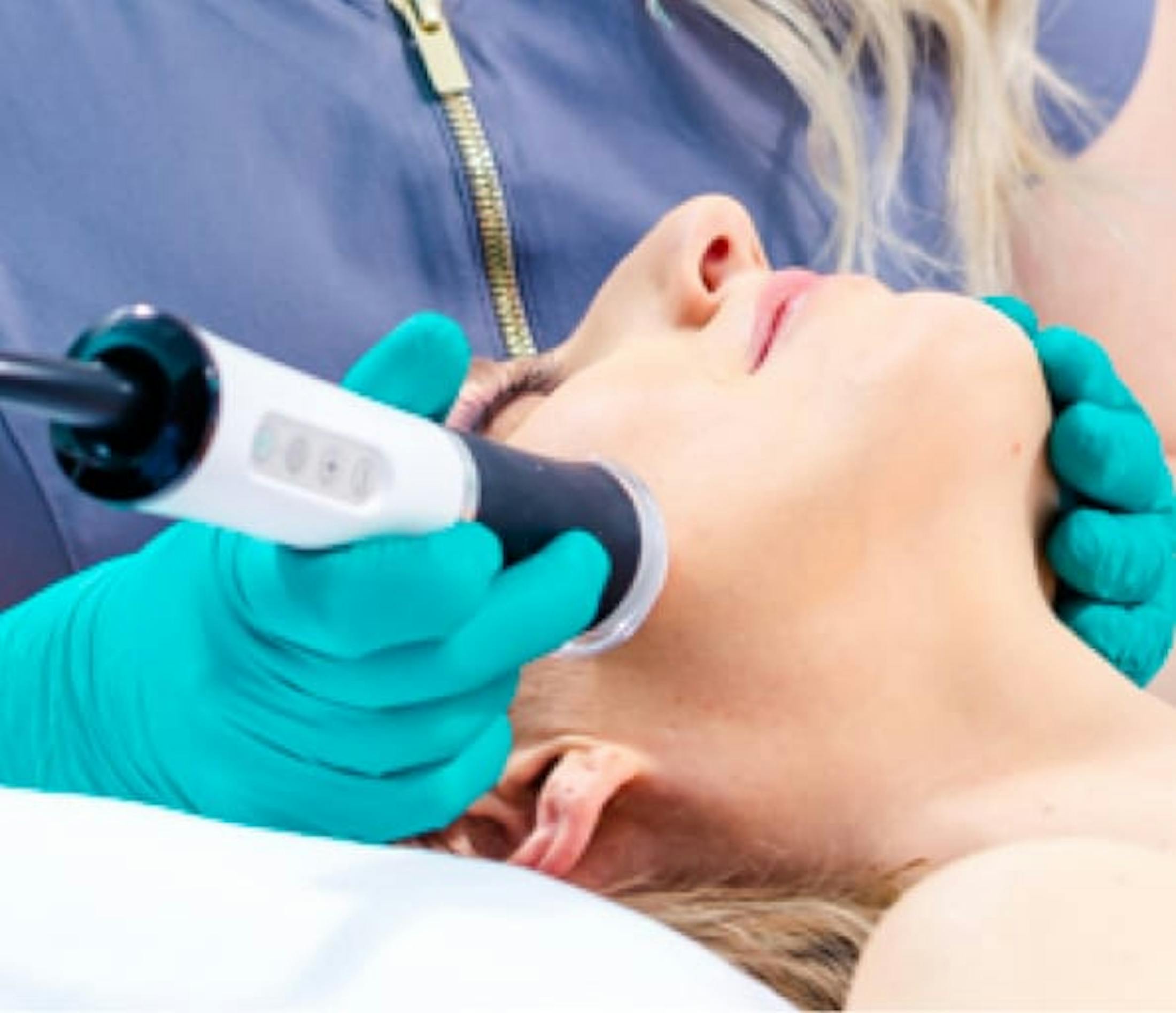
Double-board certified Dr. Alissa Lamoureux is highly trained in the treatment of skin cancer. As a specialist of the skin, she treats every facet of her patients’ skin while working with the most advanced medical technology and treatment options available. She also spends double the amount of time that any other dermatologist would spend with you, working to make you a part of your own treatment plan. She accepts calls, voicemails, emails, and text messages and responds to them in a timely manner. When you choose Skin Dermatology, you can be certain that you’re in the hands of a practice that truly cares.