Actinic keratosis, more commonly known as precancers often appear as we age. They can be unsightly, recurrent, and have the potential to become squamous cell skin cancer. Therefore medical practitioners often choose to treat them so that these spots do not have the opportunity to persist and become cancerous.
Actinic Keratosis



How Do Actinic Keratoses Develop?
Years of being in the sun can lead to damage to the skin cells. Skin cells called keratinocytes can begin to form abnormally, which leads to actinic keratoses. This change leads to scaly skin and discoloration in small patches.
What Are the Symptoms of Actinic Keratosis?
An actinic keratosis is often a small spot on the skin that has changed color and is scaly or rough. The color can be brown, tan, gray, white, or even pink. These spots will often appear in areas with significant sun exposure over a lifetime, including the hands, arms, ears, scalp, face, and neck.
Are Actinic Keratoses Dangerous?
In some cases, these spots can lead to squamous cell carcinoma (SCC), a common form of skin cancer. Only about 5-10% of actinic keratoses progress to SCC, but it is always essential to have them examined by a dermatologist.

Before Treatment for Actinic Keratoses
Prior to your treatment of actinic keratoses, a dermatologist will examine the area. This may also include a biopsy where a small sample is taken and sent to a lab for review. This is done to rule out squamous cell carcinoma.
Schedule A Consultation
Contact Us
Your Treatment Options
There are a few different methods for treating actinic keratoses, depending on the individual patient's needs.
Excision
This involves removing the lesion by cutting it out. Because these spots are small, this is a simple procedure, though in some cases, it may require stitches.
Cryotherapy
In this method, the skin is sprayed with a solution of liquid nitrogen to freeze the cells. This solution causes the lesion to scab and fall off within a few days.
Cauterization
This technique burns the lesion using an electric current.
Topical Treatments
There are also some topical treatments available that the doctor may recommend.
Curettage
This technique involves using a tool to scrape away the lesion.
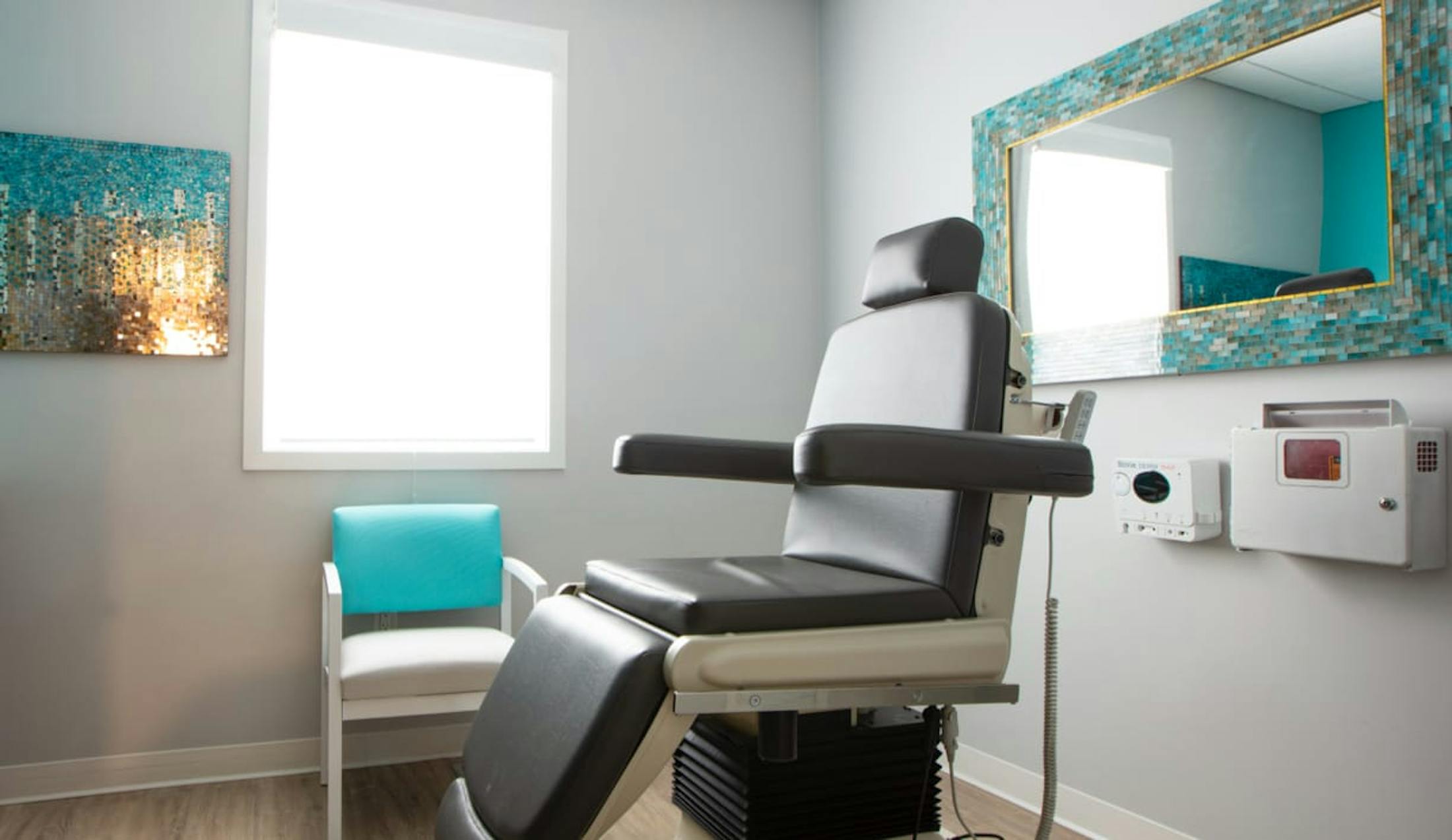

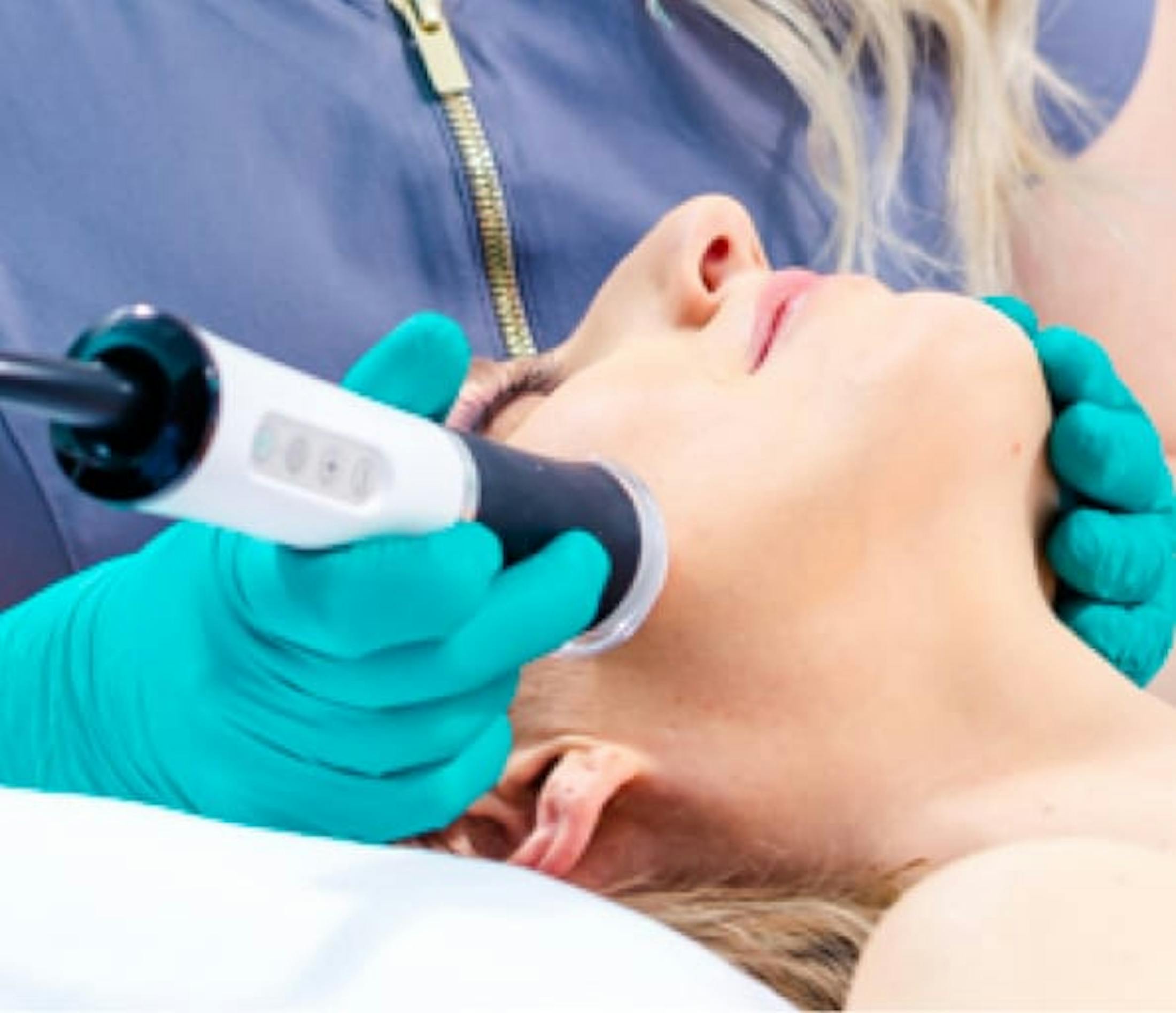
Treatment At Skin Dermatology
Skin Dermatology is located in Shrewsbury, Massachusetts. As a premier dermatology practice, we aim to provide a full range of dermatology services while treating patients in a modern and comfortable environment. If you are worried about your skin or are interested in actinic keratoses treatment, contact our office today!