Seborrheic dermatitis is a common skin condition that affects a wide range of people. If you are struggling with this condition, contact Skin Dermatology to help you find a treatment plan.
Seborrheic Dermatitis

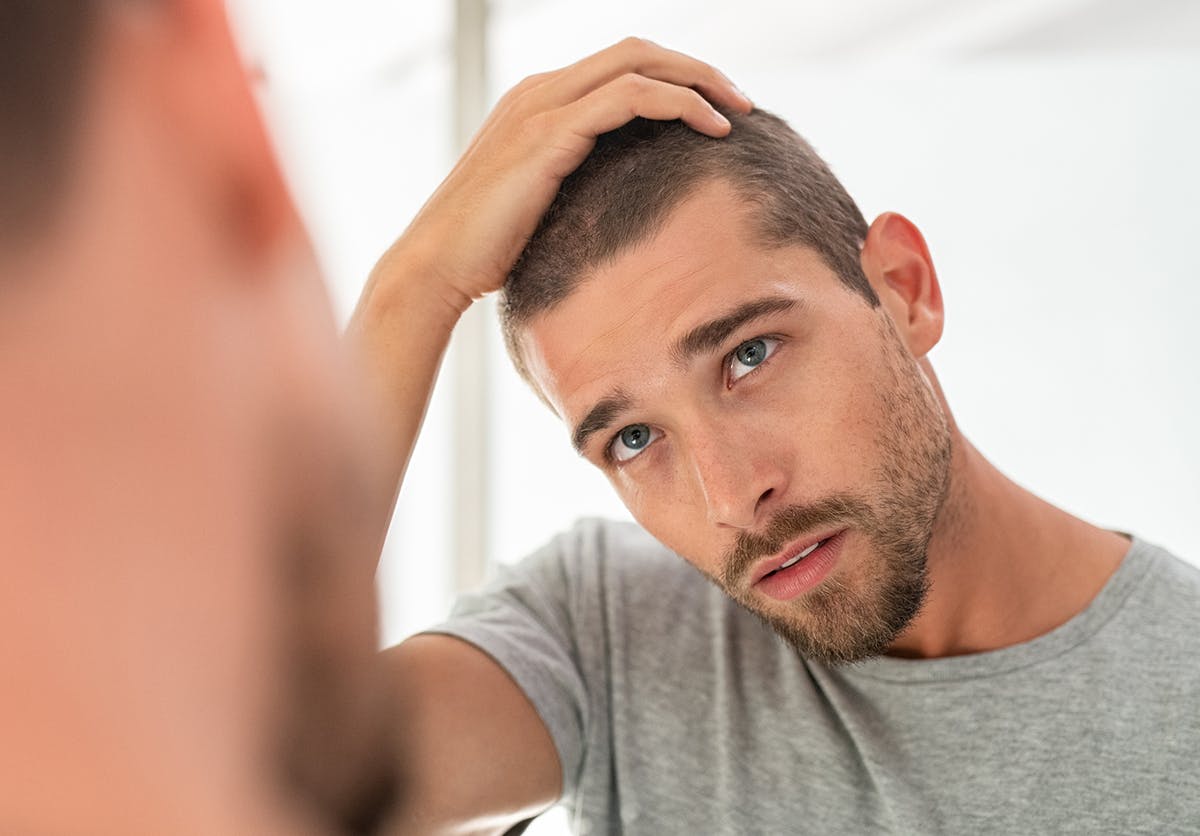
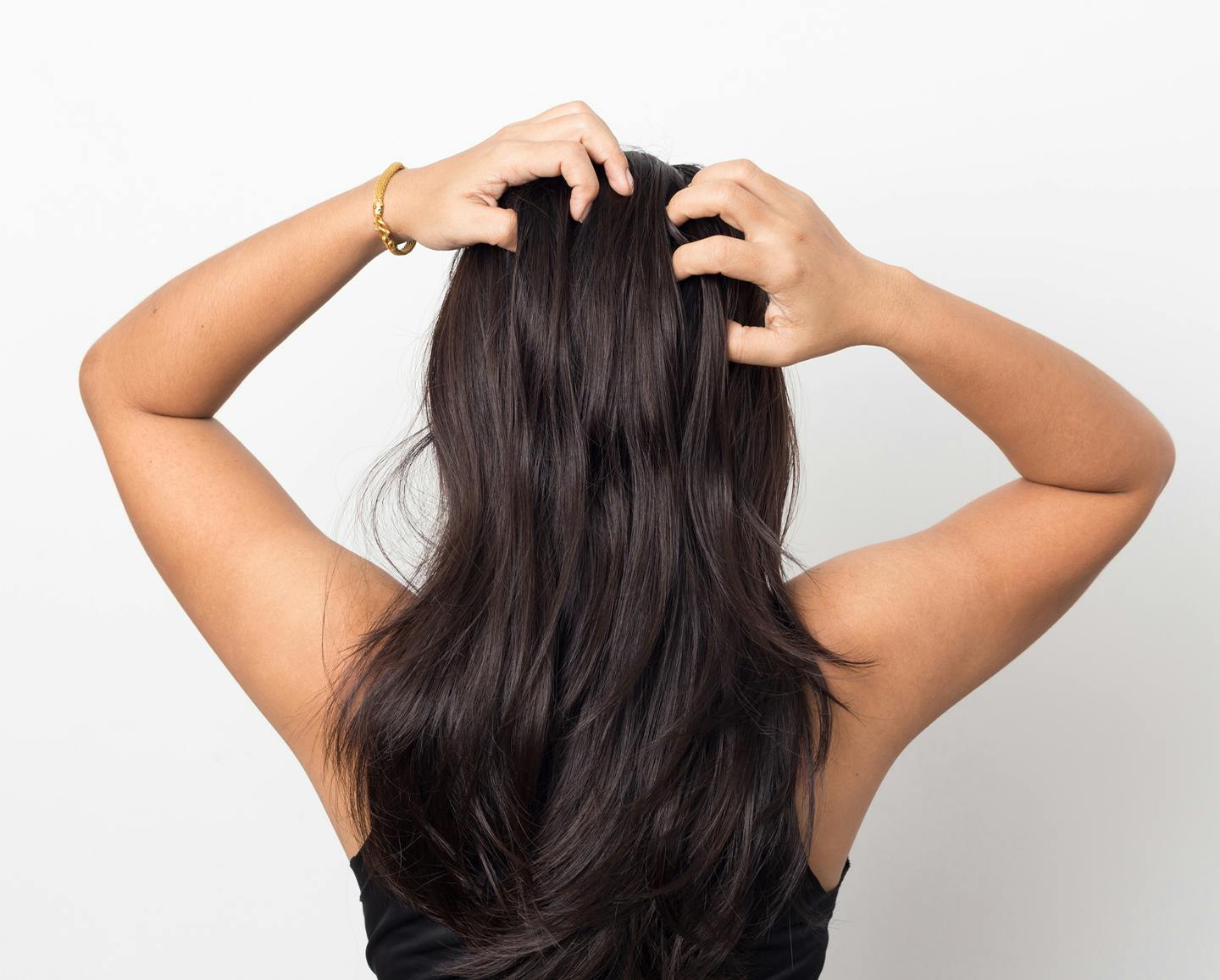
What Causes Seborrheic Dermatitis?
Doctors are uncertain about what exactly causes seborrheic dermatitis. There are a number of factors that may contribute to its appearance, including the overproduction of oil. Seborrheic dermatitis is also known as “craddle cap” in infants and can develop due to hormonal changes in the mother. These hormonal changes can also lead to oil overproduction.

What Are the Symptoms of Seborrheic Dermatitis?
One of the most common symptoms is the skin developing scaly patches that may be white or yellow. These patches flake off, which is commonly known as dandruff. The skin in the affected area is often greasy, red, and it may be itchy. Some also experience hair loss in the infected area.
Diagnosing Seborrheic Dermatitis
The first step is in a treatment plan for seborrheic dermatitis is a diagnosis. At Skin Dermatology in Shrewsbury, Massachusetts, board-certified Dr. Alissa Lamoureux can help determine the condition affecting you. Because some skin conditions look alike, it is crucial to establish the exact condition. To do this, the doctor will examine the area and ask questions about your symptoms. A sample may be taken and sent to a lab for a biopsy.
Seborrheic Dermatitis Treatment
Depending on your specific symptoms and history, the doctor may first prescribe a regimen of at-home treatments, including specific soaps, detergents, and shampoos. If this does not work, there are prescription strength ointments and shampoos that the doctor may recommend. Depending on the case, prescription pills may be used to treat seborrheic dermatitis.

When To See a Doctor
Board-certified dermatologist Dr. Alissa Lamoureux is able to answer all of your questions about seborrheic dermatitis. While some cases may clear up on their own, it is important to closely monitor them. You should schedule an appointment if you are:
- Not noticing a positive change after using dandruff shampoos
- Experiencing pain or persistent itching
- Very red in the affected area
- Seeing pus or fluid in the area
You may also see a doctor for treatment without these specific symptoms. Contact Skin Dermatology today for an appointment.